
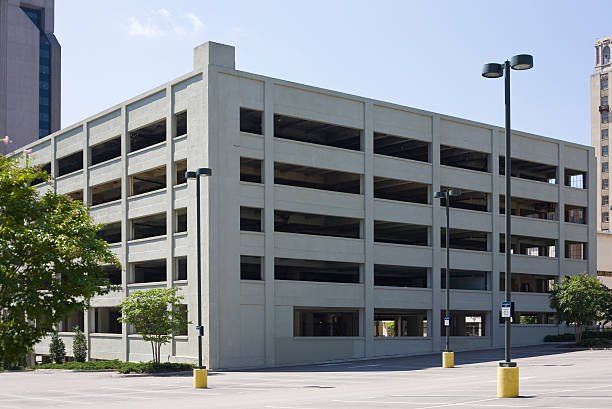
Parking garages operate in some of the harshest environments for reinforced concrete. Every day, they are exposed to vehicle traffic, moisture, chlorides, deicing salts, and environmental stress.
Without proactive maintenance, minor issues can quickly develop into costly structural repairs. Chloride exposure, moisture infiltration, and freeze-thaw cycles are among the leading causes of parking garage deterioration.
Early Warning Signs
Many property owners don’t recognize deterioration until significant damage becomes visible.
Watch for:
- Surface cracking
- Water staining
- Rust discoloration
- Spalling concrete
- Delamination
- Joint failure
- Surface scaling
These signs often indicate that moisture and chlorides have already penetrated the concrete structure.
The Hidden Cost of Waiting
Small repairs are typically manageable and affordable.
Large-scale rehabilitation projects are not.
When deterioration progresses, facility owners may face:
- Traffic disruptions
- Safety concerns
- Expensive structural repairs
- Revenue loss
- Increased maintenance budgets
In many cases, deferred maintenance significantly increases total lifecycle costs.
Why Prevention Works
Preventative maintenance focuses on protecting concrete before major damage develops.
By limiting water intrusion and reducing chloride penetration, owners can dramatically slow the deterioration process and extend the life of the structure. Protective treatments and restoration systems help reduce exposure to the factors that commonly cause cracking, corrosion, and spalling.
Long-Term Asset Protection
A parking garage is a major investment.
Protecting that investment requires a proactive approach that prioritizes preservation over emergency repairs.
The earlier deterioration is addressed, the more options owners have—and the lower the long-term costs become.
Conclusion
Preventing deterioration is always more cost-effective than repairing advanced damage. With the right protection strategy, parking structures can remain safer, stronger, and more reliable for decades.